
(1) Blast drilling: After continuous laser irradiation, a pit is formed in the center of the material, and then the molten material is quickly removed by the oxygen flow coaxial with the laser beam to form a hole. Generally, the size of the hole is related to the thickness of the plate. The average diameter of the blast drilling hole is half the thickness of the plate. Therefore, the diameter of the blast drilling hole is larger and not round for thicker plates. It is not suitable for parts with higher requirements (such as oil sieve pipes) and can only be used for waste materials. In addition, since the oxygen pressure used for perforation is the same as that for cutting, the splash is larger.
(2) Pulse drilling: A high peak power pulse laser is used to melt or vaporize a small amount of material. Air or nitrogen is often used as an auxiliary gas to reduce the expansion of the hole due to exothermic oxidation. The gas pressure is lower than the oxygen pressure during cutting. Each pulse laser only produces a small particle jet, which gradually penetrates deeper, so it takes several seconds to perforate thick plates.
Once the perforation is completed, the auxiliary gas is immediately replaced with oxygen for cutting. In this way, the perforation diameter is smaller and the perforation quality is better than that of blast drilling. The laser used for this purpose should not only have a high output power, but more importantly, the time and space characteristics of the beam, so the general cross-flow CO2 laser cannot meet the requirements of laser cutting. In addition, pulse perforation also requires a more reliable gas control system to achieve the switching of gas type and gas pressure and the control of perforation time., ,
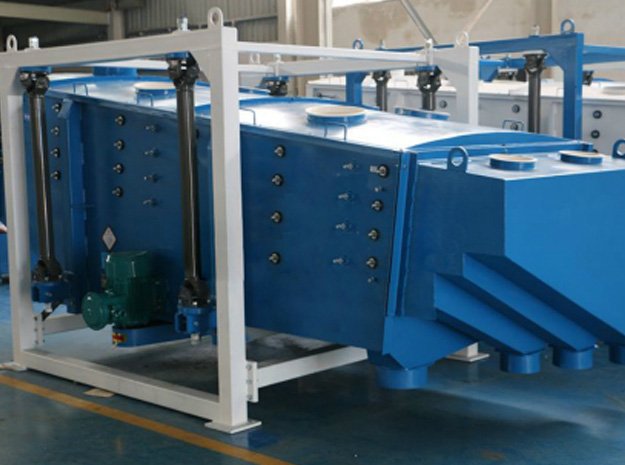
scrap steel apron conveyor
01 Heavy-Duty Structural Design Reinforced frame, chains, and apron plates ensure stable operation under severe impact loads from large and sharp scrap materials. 02 High