1. The total resistance and required power of the conveying equipment are generally determined by the inclination and length of the conveying line;
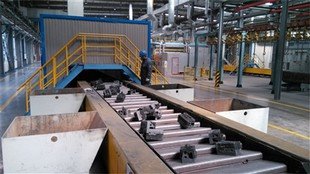
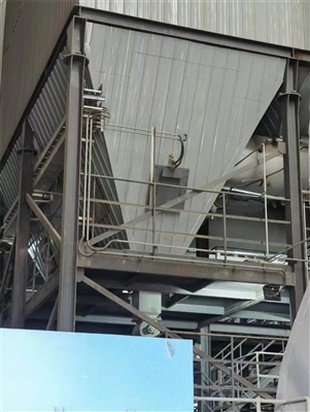
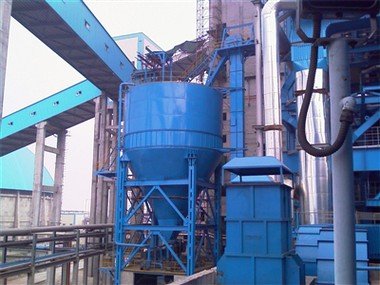
2. The conveying capacity of the conveyor is generally determined by the size of the components, including the hopper volume, slat width, conveyor belt width, container size and pipe diameter.
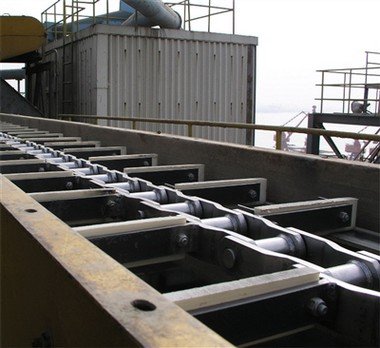
3. The conveying capacity of a general conveyor is also closely related to the conveying speed: ① Generally, when the chain is used as the traction component, the conveying speed should be determined according to the production process, and the conveying speed cannot be increased by overloading; ② As the traction part, if the conveyor belt is longer, the conveying speed will also increase, but there are also some potential problems: starting, braking, vibration, noise, etc.
4. Regarding the conveying volume, it refers to the amount of goods conveyed in a specific time, which can also be divided into finished product conveying and bulk cargo conveying.