(1) Rubber belt:
Fixed to the belt mouth with screws and elastic gaskets. The belt is 35-40mm wider than the bucket. Generally, the rubber belt can transport materials with a temperature not exceeding 60°C, and the heat-resistant rubber belt can transport materials with a temperature of up to 150°C.
(2) Chain:
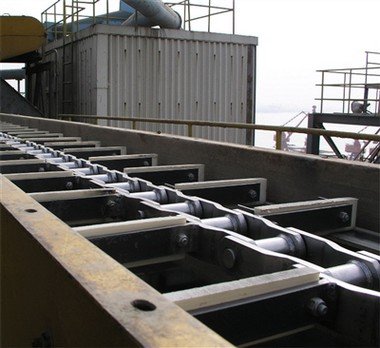
The single chain is fixed to the rear wall of the bucket; the double chain is connected to both sides of the bucket. Chain elevators use single chains when the bucket width is 160-250mm, and double chains when the bucket is 320-630mm. The main disadvantage is that the wear between the chain links is large, which increases the number of maintenance times.
(3) Sprocket:
The transmission sprocket on the bucket elevator. The sprocket is used to mesh with the block with accurate pitch on the link chain or cable. It is a solid or spoked gear that meshes with the roller chain to transmit motion.
Design of the sprocket tooth shape: The sprocket tooth shape must ensure that the chain links can enter and exit the meshing smoothly and freely, minimize the impact and contact stress of the chain links during meshing, and be easy to process. The sprocket material should ensure that the teeth have sufficient strength and wear resistance, so the sprocket tooth surface is generally heat treated to achieve a certain hardness.